






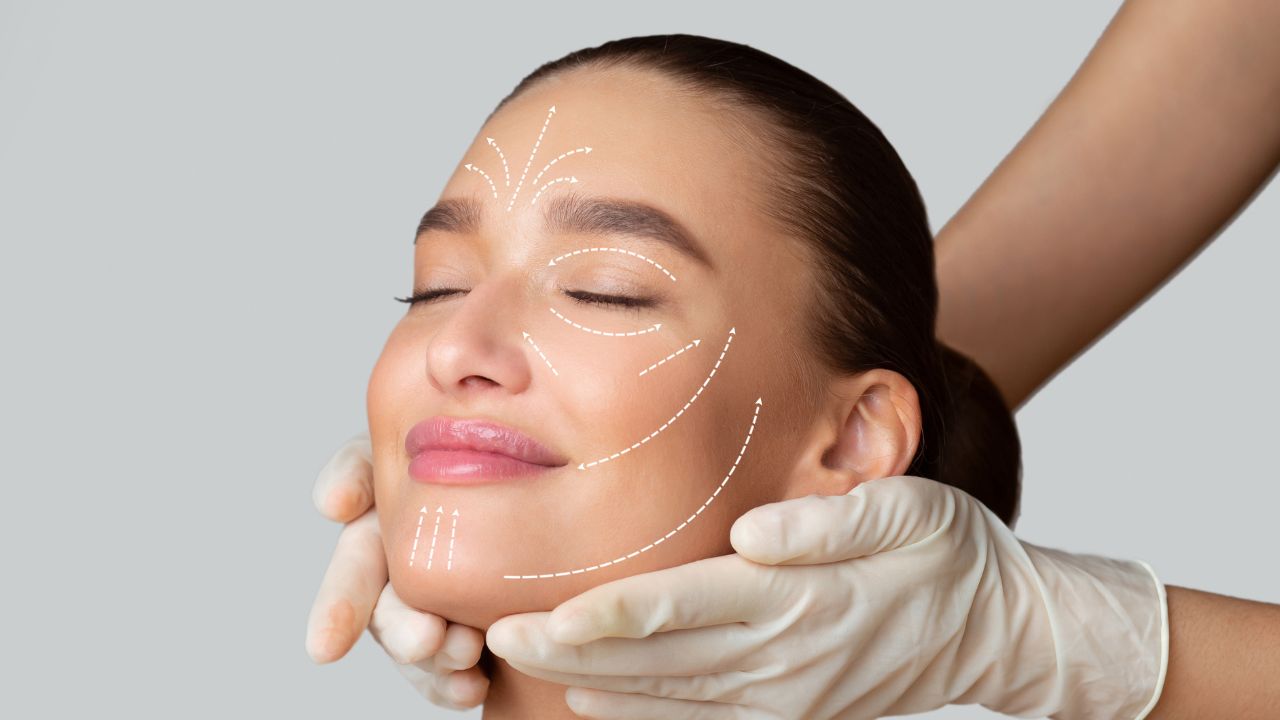
BOTOX® is best known for softening facial lines, but it also has important medical and therapeutic applications. Depending on the condition and the muscles involved, medical BOTOX may help prevent chronic migraine headaches or provide relief from jaw clenching, teeth grinding, TMJ-related muscle tension, and certain types of neck and shoulder tightness.
These concerns can overlap. Persistent clenching may cause jaw soreness and contribute to headaches. Tight neck and shoulder muscles may accompany migraine attacks or make existing head pain feel worse. However, similar symptoms can also have very different causes, making an individualized medical assessment essential before treatment.
At La Bella Laser & Slimming in Arcadia, we have served patients throughout the San Gabriel Valley since 2011, with more than 15 years of experience administering BOTOX. Our qualified licensed medical providers evaluate each patient’s symptoms, health history, muscle activity, and treatment goals to determine whether neurotoxin injections may be appropriate.
How Can BOTOX Help With Pain and Muscle Tension?
BOTOX contains a purified form of botulinum toxin type A. When injected into a carefully selected muscle, it temporarily blocks the nerve signals that cause the muscle to contract.
For therapeutic treatment, this effect may help by:
- Reducing excessive or involuntary muscle activity
- Decreasing forceful jaw clenching or teeth grinding
- Relaxing chronically tight muscles
- Interrupting certain pain signals involved in chronic migraine
- Reducing the frequency or intensity of symptoms in appropriately selected patients
The treatment does not numb the area or address every possible cause of pain. Instead, it acts locally within specifically targeted muscles and nerve endings. Results therefore depend on identifying the underlying condition and selecting the correct treatment areas.
Is BOTOX FDA-Approved for Chronic Migraine?
BOTOX is FDA-approved to help prevent headaches in adults with chronic migraine. Chronic migraine is generally defined as experiencing headaches on 15 or more days per month, with migraine features on at least eight of those days.
This is different from experiencing an occasional migraine. BOTOX has not been established as an effective preventive treatment for episodic migraine, which is generally characterized by fewer than 15 headache days per month.
Chronic migraine symptoms can include:
- Recurring moderate to severe headaches
- Throbbing or pulsing head pain
- Sensitivity to light, sound, or odors
- Nausea or vomiting
- Visual disturbances or aura in some patients
- Neck pain or stiffness accompanying migraine attacks
- Headaches that repeatedly interfere with work or daily activities
During chronic migraine treatment, BOTOX is placed into specific areas of the head and neck. The FDA-approved protocol uses injections across seven muscle regions, which can include the forehead, temples, back of the head, neck, and trapezius muscles.
BOTOX is intended to help reduce future headache frequency rather than stop an active migraine immediately. It should not be viewed as a substitute for appropriate medical evaluation, diagnosis, or emergency treatment of new or concerning headache symptoms.
Can BOTOX Help With TMJ Pain and Jaw Tension?
“TMJ” refers to the temporomandibular joint, which connects the lower jaw to the skull. Temporomandibular disorders, or TMDs, include several conditions affecting the joint, chewing muscles, or surrounding structures.
Symptoms may include:
- Jaw pain or soreness
- Tight or overworked jaw muscles
- Pain while chewing
- Difficulty opening the mouth comfortably
- Clicking or popping of the jaw
- Facial discomfort
- Headaches around the temples
- Ear-area pressure or discomfort
- Teeth grinding or clenching
When symptoms are driven partly by overactive chewing muscles, BOTOX may be injected into muscles such as the masseters or temporalis. Temporarily reducing the activity of these muscles may ease tension, decrease clenching force, and reduce associated discomfort.
BOTOX treatment for TMJ-related symptoms is considered an off-label use.
This means it has not been specifically approved by the FDA to treat TMD, although qualified medical providers may use an approved medication off-label when they determine it is medically appropriate. It is also important to understand that BOTOX does not correct every type of TMJ problem. Symptoms caused by joint degeneration, arthritis, disc displacement, dental alignment, trauma, or other structural concerns may require evaluation and care from a dentist, physician, oral and maxillofacial specialist, or another qualified healthcare professional.
What About Teeth Grinding and Jaw Clenching?
Bruxism is the medical term for repeatedly grinding or clenching the teeth. It may happen while awake, during sleep, or both. Stress can contribute to bruxism, but sleep disorders, medications, bite mechanics, and other factors may also play a role.
Signs of bruxism may include:
- Morning jaw soreness
- Tight or enlarged masseter muscles
- Tooth sensitivity
- Flattened, chipped, or worn teeth
- Temple headaches
- Facial fatigue or aching
- A partner noticing grinding sounds during sleep
By reducing activity in overactive jaw muscles, BOTOX may decrease the force of clenching and grinding in appropriately selected patients. However, it does not protect the teeth directly or address every potential cause of teeth grinding or jaw clenching, and some patients may still need a dental exam or other care.
Can BOTOX Treat Tension Headaches?
Tension-type headaches commonly cause pressure, tightness, or an aching sensation around the forehead, temples, scalp, or back of the head. Patients often describe the feeling as a band tightening around the head. Neck and shoulder tension may occur at the same time.
Although BOTOX is FDA-approved for chronic migraine, it is not FDA-approved for tension-type headaches. Evidence supporting BOTOX for tension headaches is less established, and treatment should not be presented as interchangeable with the recognized chronic migraine protocol.
In selected patients, a provider may consider whether overactive muscles are contributing to a recurring pattern of tension and discomfort. Treatment for this purpose would be off-label and should follow a careful assessment.
Because headaches can have many causes, new, sudden, severe, or changing headaches should receive appropriate medical evaluation. BOTOX should not be used simply to mask unexplained head pain.
Can BOTOX Relieve Neck and Shoulder Tension?
The trapezius is a large muscle extending across the neck, shoulders, and upper back. Stress, posture, repetitive movement, exercise, computer use, and other factors may contribute to persistent tightness or overactivity in this area.
Strategically placed BOTOX injections may help relax overactive muscle fibers and reduce the feeling of chronic tightness in appropriately selected patients. Some individuals also notice a softer transition between the neck and shoulders as prominent trapezius muscles gradually become less bulky.
Using BOTOX for general neck or shoulder muscle tension is typically considered off-label. BOTOX is FDA-approved for certain specific medical conditions involving the neck, including cervical dystonia, but that is not the same as ordinary tightness from stress, posture, or muscle overuse.
Neck or shoulder discomfort may also arise from an injury, nerve compression, joint condition, spinal problem, or another medical cause that requires different care. La Bella’s providers will assess whether the symptoms appear related to muscle overactivity and whether neurotoxin treatment is suitable.
How Does Medical BOTOX Differ From Cosmetic BOTOX?
“Medical BOTOX” is a patient-friendly term commonly used to describe BOTOX injections performed for a functional or health-related concern rather than solely for cosmetic wrinkle reduction. It may also be referred to as therapeutic BOTOX. The medication may be the same, but the treatment goal, injection sites, dosing, and technique can be very different.
Medical treatment may also involve:
- Different muscles
- A greater number of injection sites
- A different number of units
- Treatment on both sides of the face or body
- A condition-specific injection pattern
- Follow-up based on symptom improvement rather than cosmetic change alone
BOTOX units are specific to the BOTOX formulation and cannot be directly compared or converted to the units used for other neurotoxin products.
What Can I Expect During and After Medical BOTOX?
Treatment begins with an individualized consultation. Your La Bella provider will ask about your symptoms, when they began, how frequently they occur, previous treatments, relevant medical or dental concerns, and how the symptoms affect your daily life. Your medications, previous neurotoxin treatments, and treatment goals will also be reviewed.
If BOTOX is appropriate, your provider will identify the treatment areas based on your symptoms and muscle activity. A fine needle is then used to place a series of small injections into the targeted muscles. The appointment length, number of injections, and number of units vary according to the condition being treated. Chronic migraine, for example, follows a different injection protocol from treatment for jaw tension or trapezius muscle overactivity.
BOTOX does not work immediately. Some patients notice reduced muscle activity or symptom improvement within several days, with fuller effects developing over approximately two weeks. Chronic migraine improvement may be gradual, and some patients require more than one treatment cycle to evaluate their response.
FDA-approved chronic migraine treatment is generally repeated approximately every 12 weeks. Results for jaw, neck, or shoulder muscle overactivity commonly last about three to four months, although individual experiences vary. Your provider will recommend follow-up treatment based on your response and treatment goals.
Medical BOTOX typically requires little to no downtime, and most patients return to normal, non-strenuous activities shortly after their appointment. Temporary redness, swelling, bruising, tenderness, or a mild headache may occur. Your provider will give you individualized aftercare instructions, which may include temporarily avoiding strenuous exercise, excessive heat, and rubbing or massaging the treated areas.
Why Choose La Bella for Medical BOTOX in Arcadia?
BOTOX treatment for headaches and muscle tension requires more than placing injections wherever discomfort is felt. The provider must understand the relevant anatomy, recognize how the muscles work together, and determine whether the symptoms are likely to respond to reduced muscle activity.
At La Bella Laser & Slimming, treatment begins with an individualized assessment rather than a standard injection package. Our goal is to recommend BOTOX only when it is appropriate for the condition, treatment area, and patient.
Why patients choose the La Bella team:
- Serving Arcadia and surrounding San Gabriel Valley communities since 2011
- More than 15 years of experience administering BOTOX
- Treatments performed by qualified licensed medical providers
- Individualized evaluation and treatment planning
- Experience with cosmetic and therapeutic injection techniques
- A comfortable, welcoming treatment environment
- Convenient in-office appointments with minimal downtime
Frequently Asked Questions About Medical BOTOX
What is medical BOTOX used for?
Medical BOTOX refers to BOTOX administered for a functional or health-related concern rather than solely for cosmetic wrinkle reduction. FDA-approved medical uses include chronic migraine prevention and treatment of cervical dystonia, severe primary underarm hyperhidrosis, certain forms of muscle spasticity, and other specific conditions.
BOTOX is also used off-label for concerns such as TMJ-related muscle tension, jaw clenching, teeth grinding, tension headaches, and general trapezius muscle overactivity when a qualified provider determines treatment is appropriate.
Is medical BOTOX safe?
BOTOX has a long history of medical and cosmetic use, but it remains a prescription medication and is not appropriate for everyone. Temporary side effects may include redness, bruising, tenderness, headache, or muscle weakness near the treated area. Less commonly, treatment may affect nearby muscles and cause concerns such as eyelid drooping, difficulty chewing, or neck weakness, depending on the injection location.
Rare but serious symptoms, including difficulty speaking, swallowing, or breathing, require immediate medical attention. Before treatment, tell your provider about your health conditions, medications, allergies, previous neurotoxin treatments, and any problems with muscle weakness, swallowing, or breathing. Your La Bella provider will review your medical history and potential risks before determining whether BOTOX is appropriate for you.
Is BOTOX approved for migraines?
BOTOX is FDA-approved to help prevent headaches in adults with chronic migraine. It has not been established as a preventive treatment for episodic migraine involving fewer than 15 headache days per month.
Is BOTOX for TMJ FDA-approved?
No. BOTOX treatment for TMJ-related symptoms, jaw clenching, and teeth grinding is considered off-label. A qualified medical provider may recommend off-label treatment after determining that it is appropriate, but patients should understand the distinction and limitations of treatment.
Can BOTOX cure TMJ disorder?
No. Temporomandibular disorders have several possible causes, and BOTOX does not correct structural damage, arthritis, disc displacement, dental problems, or every source of jaw pain. It may help selected patients when overactive chewing muscles contribute to tension, clenching, and discomfort.
Will BOTOX stop me from chewing normally?
Treatment is planned to reduce excessive muscle activity without preventing normal jaw movement. However, temporary chewing weakness or fatigue can occur, particularly when the masseter muscles are treated. Your provider will discuss this risk and use an individualized dose based on your anatomy and symptoms.
Can BOTOX help both headaches and jaw clenching?
It may help when symptoms are associated with the muscles being treated, but headache disorders and jaw clenching should be assessed individually. Treating jaw muscles does not automatically constitute chronic migraine treatment. The FDA-approved chronic migraine protocol involves a specific pattern of injections across the head and neck.
How many BOTOX units will I need?
There is no single dose for all medical BOTOX treatments. Chronic migraine treatment uses a condition-specific protocol, while dosing for jaw or trapezius muscle activity depends on anatomy, muscle strength, symptoms, prior treatment, and treatment goals. Your provider will recommend the appropriate number of units after an assessment.
How often is BOTOX used for chronic migraine?
The FDA-approved chronic migraine treatment schedule generally involves repeat treatment approximately every 12 weeks. Your response and overall treatment plan should be reviewed by an appropriate medical provider.
How long does BOTOX for TMJ or muscle tension last?
Benefits often last approximately three to four months, although the duration varies. Muscle activity gradually returns as the effects wear off. Your provider can recommend when or whether repeat treatment is appropriate.
Can BOTOX help a migraine that has already started?
BOTOX is used as a preventive treatment for chronic migraine. It is not intended to provide immediate relief during an active migraine attack. Patients should continue to follow the acute migraine treatment plan recommended by their healthcare provider.
Does BOTOX help ordinary shoulder pain?
Not necessarily. BOTOX may help selected patients when excessive trapezius muscle activity contributes to persistent tightness. Shoulder pain caused by an injury, rotator cuff problem, arthritis, nerve compression, spinal condition, or another cause requires appropriate evaluation and may not respond to BOTOX.
Can I receive cosmetic and medical BOTOX during the same visit?
In some cases, cosmetic and therapeutic areas may be treated during one appointment. Your provider must consider the total dose, treatment areas, previous neurotoxin use, anatomy, and health history before determining whether combined treatment is appropriate.
Who should not receive BOTOX?
BOTOX should not be injected when there is an infection at a proposed treatment site or in patients with a known hypersensitivity to a botulinum toxin product or its ingredients. It may not be appropriate for people with certain neuromuscular conditions or swallowing or breathing problems. Your provider will review your health history and current medications before treatment.
When should a headache receive urgent medical evaluation?
Seek prompt medical care for a sudden and extremely severe headache, a significant change in your usual headache pattern, or a headache accompanied by fainting, confusion, fever, weakness, numbness, vision loss, difficulty speaking, chest pain, head injury, or other concerning symptoms. BOTOX should not be used to mask new or unexplained head pain.
How much does medical BOTOX cost in Arcadia?
The cost depends on the condition being treated, the muscles involved, and the number of BOTOX units recommended. La Bella can provide current pricing after your consultation and individualized treatment plan.
Does La Bella accept insurance for medical BOTOX?
No. La Bella Laser & Slimming does not accept insurance. The team can explain the cost of your recommended treatment during your consultation.
Schedule a Medical BOTOX Consultation in Arcadia, CA
Recurring migraines, jaw clenching, teeth grinding, and persistent neck or shoulder tension can affect sleep, concentration, work, and everyday comfort. When overactive muscles or chronic migraine contribute to these symptoms, medical BOTOX may offer an additional treatment option.
The experienced team at La Bella Laser & Slimming will evaluate your symptoms, discuss the potential benefits and limitations of treatment, and determine whether BOTOX is appropriate for you. Schedule your complimentary medical BOTOX consultation at La Bella Laser & Slimming in Arcadia, CA, to learn whether therapeutic BOTOX treatments may help you experience fewer interruptions from chronic migraine or muscle tension.