








Skin Resurfacing CO2 Laser Treatment
Pre & Post Care Procedure Patient Instructions
In preparation for your Skin Resurfacing CO2 Laser procedure, please follow these instructions.
If you have any questions, please contact the office at (626) 445-2706.
Review the consent form thoroughly and make sure all your questions are answered.
CO2 Laser Treatment Day Overview and Preparation
-
You will be here for approximately 2 hours. Keep hair off your face and neck. Hairbands should be soft and not too tight, as you may need to keep them on for 48 hours.
-
For face/neck procedures: arrive without make-up, do not wear contact lenses, and wear a lower-cut, buttoned shirt. Excessive hair may need to be shaved. Men should be cleanly shaven.
-
For non-facial/neck procedures, wear clothing that does not constrict the treatment area.
Medications, Pain Relief, and Safety Guidelines
-
You must stop taking Aspirin or other pain medication such as Motrin®, Celebrex®, Aleve®, and Ibuprofen® 10 days before the procedure. You may take Tylenol® (acetaminophen) for pain.
-
Supra-therapeutic doses of Vitamin E and other herbal supplements have been associated with increased bleeding risk. Please let us know if you are on any herbal or nonprescription supplements.
-
You will be given instructions for your prescription medications for the CO2 procedure.
-
Pretreatment with compound Tranexamic Acid 7% morning and evening daily 4 weeks prior to the CO2 treatments for Skin Type 4 patients to reduce the potential risk of postlaser hyperpigmentation.
-
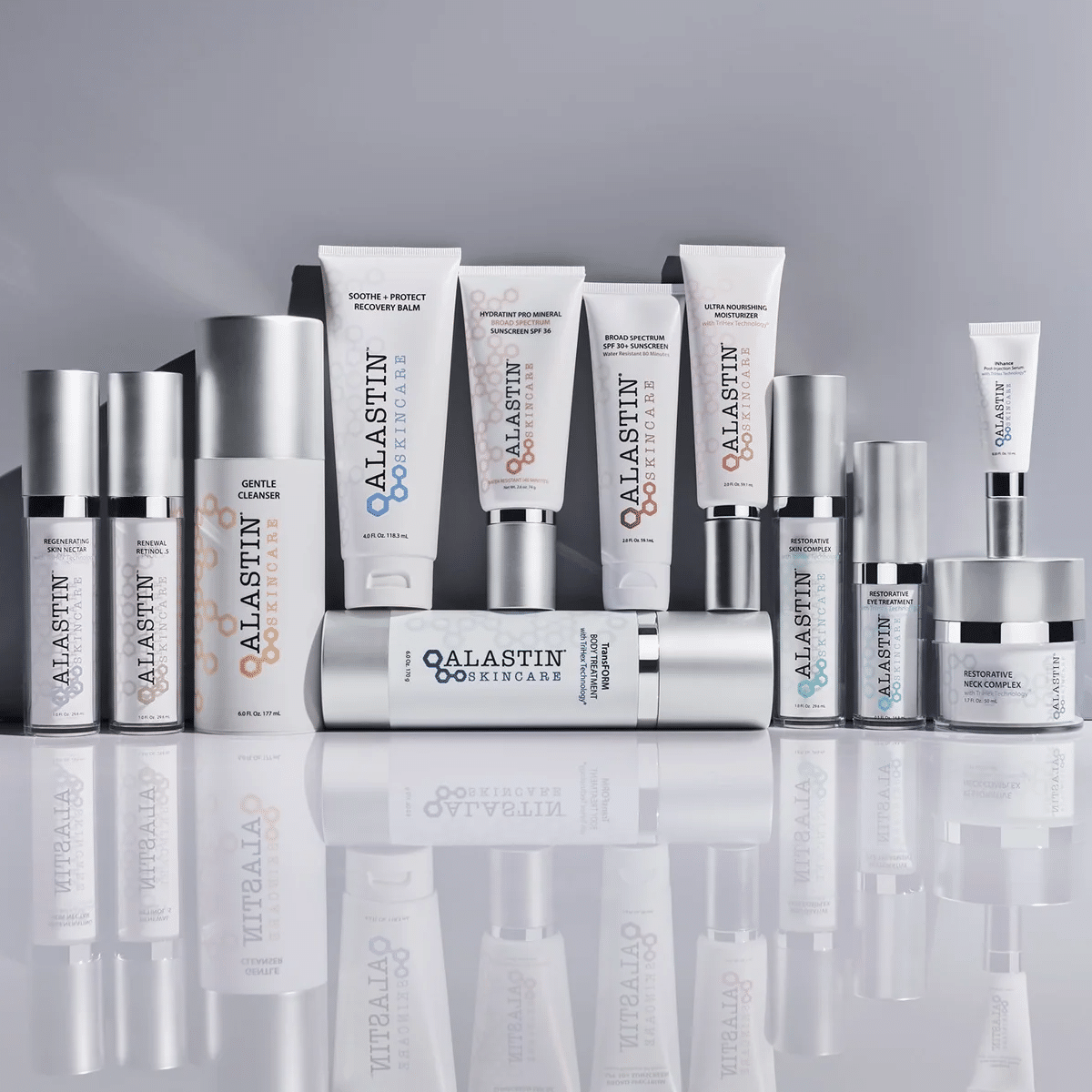
Prepare your skin with Alastin Procedure Enhancement products 2 weeks prior to the CO2 treatments.
Before Your CO2 Laser Skin Resurfacing Appointment
-
No sun-tanning or self-tanners 4 weeks prior to treatment. Avoid treatments that may irritate the skin for 1-2 weeks prior to treatment, such as chemical peels, etc. Notify your provider of any changes to your health history or medications since your last appointment.
What to Expect on Your Laser Treatment Day
What you might experience after the procedure:
-
Redness is expected and should subside significantly during the first 7 days after treatment. While redness may last up to 3 months, a small degree of redness may last longer.
-
Swelling may occur after treatment and generally resolves within 1-2 weeks.
-
Exudates/bleeding/crusting. Because the laser beam penetrates into the deep dermal layer of the skin, clear fluid (exudate) or blood may ooze onto the skin and dry, leaving a crust.
-
Pain may linger after the procedure is completed. Discomfort from swelling (tightness) is more likely to occur than acute pain. Transient burning sensation that is observed postoperatively and generally resolves quickly.
-
Pigmentary changes. After treatment, skin may appear darker (hyper-pigmentation) or lighter (hypopigmentation) than before. Although most hyperpigmentation is transient, it can become permanent.
-
Itching and dry skin are common during healing. Flaking, sloughing and dry crusting will gradually resolve. Itching can be quite intense at times. A fine scab is likely to appear on the surface of the skin. Do not be concerned; the scabbing is a beneficial part of the healing process. DO NOT pull, rub or pick at any scabbing; allow scabbing to slough off on its own.
-
Flare-up of acne or formation of milia may occur due to use of a semi-occlusive dressing.
How to Care for Your Skin After Treatment
Congratulations! You have taken the first step toward more healthy and radiant looking skin by having a Skin Resurfacing CO2 Resurfacing Laser Treatment. Now it is important to help your skin heal quickly and protect your skin investment. Your after-treatment skin care regimen is tailored to the treatment you received today. Follow the instructions as checked below:
Precautions
Washing the treatment area gently with tepid water is acceptable, followed by patting dry with gauze, then occlusive ointment application. Elta MD Laser Balm or Alastin After care kit is recommended. Limit movement of the treatment area to facilitate healing. Avoid contact of the treatment area with clothing to minimize the risk of abrasion. Sleep on your back for the first few nights to avoid having the repaired skin contact your pillow or sheets. Minimize sun exposure by wearing a wide brim hat if you are going to be in the sun until your skin has healed. Avoid using any products with active ingredients for the first two weeks after the CO2 treatment (No retinol, retin-a, tretinoin, lactic acid, glycolic acid, salicyclic acid, kojic acid, hydroquinone, and other any bleaching creams.)
1. Wash Your Hands
-
Hand-washing is the most important thing you can do to prevent infection, though the risk from bacterial, viral or fungal agents always exists. Wash your hands every time before you touch the treated area.
2. Washing Your Treatment Area
-
May wash the treatment area the next day, avoid hot water, and wash the area with a gentle cleanser (no harsh ingredients) at least twice a day.
-
You may soak the treatment area with (2 tea spoons of white vinegar; 8 ounces of cold sterile water) OR use cold normal saline three to four times every day.
-
Rinse off the vinegar from the treatment area completely, then wash with your post procedure gentle cleanser.
-
Apply a thin layer of occlusive ointment (or Aquaphor) over the entire treatment area 3-4 times a day for one week or until the epidermis is completely healed. Avoid Hot Water.
3. Reduce Swelling / Pain Relief
To reduce swelling and for pain relief, you may:
-
Place ice packs (bags of frozen peas) on the treated area for the first 2-3 days.
-
Take Tylenol® 500-mg, two tablets, every 6 hours.
-
Keep your head elevated while resting, and for the first few nights if treatment is on the face. This helps reduce swelling and promote healing.
-
Protect your skin with a non-chemical sunscreen SPF 30 or higher and re-apply every 2 hours, especially if exposed to the sun. Wear a wide brim hat when you are outside.
4. Avoid strenuous exercise
-
Allow the skin to heal and get lots of rest. Avoid strenuous exercise, excessive heat, bending, straining, stooping or lifting heavy objects for 3 days after the procedure. These activities may cause excessive swelling and unnecessary pain, as well as slow down the recovery process.
5. Discontinue
-
Obagi, Retin-A, microderm or use of an aggressive exfoliant or micropeel.
6. Follow Instructions
-
Remember to finish all of your oral medication if prescribed. Make sure to schedule a follow-up appointment with your provider. It is advised that you be seen in our office within the first month of your treatment. If no additional treatment is necessary, you should return for follow-up examination two months later.
7. Questions/Concerns
Call us if you experience any one of the following:
-
Pain that is not relieved by Tylenol®.
-
Excessive redness, swelling, bleeding, and/or scab formation.
-
Signs of infection: whitish to yellowish film on treated area, with or without foul odor; you may also develop a fever of 100.4F or above.
-
Or, if you are just not sure.
-
If adverse side effects occur (e.g., hyperpigmentation), use sun protection and post-resurfacing depigmentation agents such as hydroquinone to help obtain resolution.
-
If you cannot reach us and it is an emergency, call 911.
8. Supplies
-
White Vinegar, Sterile Water; 4×4 Sterile Gauze; Gloves; Gentle Cleanser; Occlusive ointment; Headband; Hat with at least 3” brim; SPF 30+